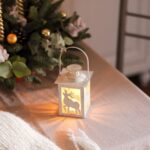

The gift pile is the messiest part of Christmas. It starts with good intentions — a present bought in November, tucked in a cupboard — and ends with wrapping paper on every surface, a gift bought twice because the first one was forgotten, a present with no tag and no memory of who it was for, and a budget nobody tracked until the card statement arrived in January.
A christmas gift does not have to work that way. The difference between a calm December of giving and a chaotic one is rarely money — it is organization. One list, one budget, one wrapping station, one hiding place. This guide is that system, built for small and rented homes, and it covers the whole season — from the first name on the list to the last tag tied on Christmas morning.
Key Takeaways
- A christmas gift starts with a list, not a shop: one list with every name, idea and budget, kept in one place.
- Buy on a calendar: a few gifts each week beats one frantic trip in the last week.
- Wrap at one table, from one box — the home stays usable while the wrapping happens.
- Label every gift the moment it is wrapped, and hide it in one labelled place, so nothing is forgotten or bought twice.
- A handmade gift, made in your scheme colours, costs almost nothing and reads as deliberate.
The Gift List First: Who, What, Budget
Most people shop by impulse: an idea seen in a shop, a gift bought the same day, no list, no budget. Organized giving works in the opposite order: decide first, buy second.
1. Write every name. Everyone you buy for, on one list — family, friends, neighbours, teachers, the postman, the host of the Christmas dinner. One list, in one place: a notebook, a notes app, a sheet of paper on the fridge. A name that is not on the list is a gift bought twice or not at all.
2. Add one idea per name. Not a shortlist — one idea. A book for the reader, a jar lantern for the neighbour who eats late, a cinnamon bundle for the teacher. One idea is a decision; five ideas are a delay. If you cannot think of one idea, the gift is a handmade one from our DIY crafts guide — a paper star, a jar lantern, a cinnamon bundle — which needs no idea at all, only an evening at one table.
3. Put a budget next to every name. Not a total — a number per person. A budget per person is a decision made once, calmly, in November; a total is a number you discover in January. Add the numbers up as you go, and the total takes care of itself. If the total is too high, cut one gift per person, not one person per list — a smaller gift, given well, beats a name crossed off.
4. Leave three blank lines. Every list grows: a neighbour you forgot, a colleague’s secret Santa, a host gift for a dinner you did not expect to attend. Three blank lines at the bottom of the list are the plan for the surprises, so they do not become panic buys.
This is the same thinking behind our holiday home decor organization guide: audit, edit, zone — then do the work. The list is the audit; the budget is the edit; the wrapping station is the zone.

Buying on a Calendar
Gifts bought all at once are gifts bought badly — in a rush, at full price, with no time to think. Gifts bought on a calendar are bought calmly, a few at a time, with the list in hand.
- Week one — the hard names. Buy for the people who are hardest to choose for first, while the shops are quiet and the ideas are fresh. The hard names left to the last week become the panic buys.
- Week two — the easy names. Books, food, candles, the gifts you already know. These are quick buys; do them in one trip, with the list, and tick them off as you go.
- Week three — the handmade gifts. The gift pieces from our DIY crafts guide are best made now, when your hands know the craft — jar lanterns, cinnamon bundles, gift tags — and wrapped in the morning, in your scheme colours.
- Week four — the surprises only. The three blank lines on the list, and nothing else. If the list is finished, the last week is for wrapping, not shopping.
Thanksgiving is Thursday 26 November 2026, and the gift list is best finished before it — a list done before Thanksgiving means December is for wrapping and giving, not for shopping. That is the calendar this article is written for: decide in November, buy across three calm weeks, wrap in the fourth, and enjoy Christmas without a single frantic trip.
The rule for every trip is the same as the baking rule in our christmas cookie ideas guide: one job, one surface, clean as you go. One trip, one list, tick as you go — and nothing comes home that is not on the list.
The One-Table Wrapping Station
A small home has one good table, and wrapping should use exactly that one. Everything else — the kitchen counter, the sofa, the bed — stays clear, so the home keeps working while the gifts are wrapped.
- One table, one job. Clear the table completely before you start, then put out only what the current gift needs: the paper, the scissors, the tape, the ribbon. Supplies stay in the box until their step, not spread across the table like a shop display.
- One tray, everything on it. A baking tray or a large chopping board holds the scissors, the tape, the ribbon and the tags. The tray is the boundary: if it does not fit on the tray, it does not come out. When dinner is ready, the tray lifts off the table in one move — the wrapping pauses, the table is a table again.
- One gift at a time. Wrap one gift before starting the next. Five wrapped gifts are a finished pile; five half-wrapped gifts are five rolls of paper and a table nobody can use. Finish one, label it, put it in the hiding place — then start the next.
- The ten-minute tidy. At the end of each session, spend ten minutes putting supplies back in the box, sweeping paper scraps into the bin, and stacking wrapped gifts in their hiding place. A wrapping session that ends tidy starts tidy next time — and the next session is the one that actually gets finished.
The test for the station is simple: if someone can still eat dinner at the table while you wrap, the station is working. If the home is unusable until the last gift is wrapped, the wrapping has taken over the home — and it did not need to.

Wrapping Paper & Ribbon Storage
Wrapping paper is the hardest thing in Christmas to store. Rolls are long, they unroll, they crease, they fall over — and a small home has no spare cupboard for them. The fix is one box, and a rule: if it does not fit in the box, it does not come home.
- One box, everything in it. A tall box, a laundry basket, or an umbrella stand holds the whole season: two rolls of paper, one roll of ribbon, scissors, tape, tags, and string. Stand the rolls upright, so they do not unroll or crease. Label the box “Christmas wrapping” and keep it on one shelf, so the supplies are findable in November and invisible the rest of the year.
- Two papers, one ribbon. Two wrapping papers in your scheme colours, one ribbon, one tag style — that is the whole wrapping system. Ten papers are ten decisions per gift; two papers are a decision already made. A gift wrapped in your scheme looks like it came from one thoughtful place, not from a last-minute dash.
- Use what you have first. Brown kraft paper, twine from parcels, ribbon saved from last year, gift tags made from card offcuts. Check the box before buying anything: most seasons, half the wrapping list is already in the home. The handmade tags from our DIY crafts guide — card offcuts, a hand-drawn star, the recipient’s name — finish every gift and use up the scraps from the paper stars.
- One in, one out. A new roll of ribbon means an old one gets used or given away. The box stays the same size every year, so the supplies never outgrow their shelf.
This is the same one-box thinking as the christmas home decoration guide’s storage rule: one box per category, labelled, on one shelf. The wrapping box is one more box on that shelf — not a system of its own.

Storing Gifts Until Giving Day: Labelling + Hiding in a Small Home
A gift that is bought but not labelled is a gift that will be given to the wrong person, or not given at all. A gift that is wrapped but not hidden is a gift that will be found. A small home needs both: a label and a hiding place.
- Label the moment you wrap. The tag goes on before the gift leaves the table — name, and one word about what is inside (“book”, “lantern”, “candle”), so a gift that is moved, dropped or re-hidden is still identifiable. A gift with no tag and no memory of who it was for is not a gift; it is a mystery, and mysteries get re-gifted to the wrong person.
- One hiding place, not five. One cupboard, one shelf, one box — every gift in the same place, so the list and the pile can be checked against each other in one look. Five hiding places are five places to forget. If the hiding place is full, the list is too long, not the cupboard too small.
- Hide by height, not by hope. The top shelf of a wardrobe, the back of a cupboard, a labelled box on top of the wardrobe — high, out of sight, out of reach of small hands and curious eyes. A gift on a low shelf behind a cushion is not hidden; it is waiting to be found.
- Count the pile against the list. Once a week, count the wrapped gifts and tick them against the list. A name with no gift beside it is a gift still to buy; a gift with no name beside it is a gift still to label. The count takes two minutes and saves the Christmas-morning discovery that someone was forgotten.
The full storage system — one box per category, labelled, on one shelf — is in our holiday home decor organization guide. The gift box is one more labelled box on that shelf, and it comes down in December and goes back up in January, empty.

Handmade Gifts
A handmade gift is a christmas gift that costs almost nothing and reads as deliberate — but only if it is finished, wrapped, and given on time. A half-finished craft in a bag is not a gift; it is a chore handed to someone else.
- Gift the best five, not the first five. Make the gift pieces last, when your hands know the craft, and give the best of the batch. The first paper star is practice; the tenth is the gift.
- Match the gift to the person. Paper stars for the friend with the bright window. A jar lantern for the neighbour who eats late. Cinnamon bundles for the teacher, the postman, the host. A small, right gift beats a big, generic one.
- Wrap in the scheme. The same cream paper, the same twine, the same tag style as your own decorations. A gift wrapped in your scheme looks like it came from one thoughtful place, not from a last-minute dash.
- Count the gifts before you make them. Decide now how many gifts the crafts will cover, and who they are for. Five gift pieces, five names, five tags — that is the whole gift plan, decided before the scissors come out.
The full making guide — eight crafts that suit a small home, one table, one box — is in our DIY crafts guide. The crafts there are designed to be gifts as well as decorations: a jar lantern, a cinnamon bundle and a box of handmade tags, made in an evening and wrapped in the morning, is a gift set that no shop sells, because no shop knows the person it is for.
Last-Minute Gifts Without the Panic
Even a finished list grows a last-minute name — a dinner invitation, a colleague’s secret Santa, a neighbour’s kind gesture that deserves an answer. The last-minute gift is not a failure of the system; it is the reason the system leaves room for it.
- Keep a gift shelf. Two or three small, unwrapped gifts bought in November — a candle, a box of biscuits, a jar of jam — kept on one shelf, ready to wrap. A gift shelf is not extra shopping; it is the three blank lines on the list, bought early and calmly.
- The food gift is the fastest gift. Something from the kitchen — a box of biscuits from our christmas cookie ideas guide, a jar of jam, a bag of dried-orange slices — wrapped in kraft paper with twine and a cinnamon stick, is a gift in ten minutes. Food gifts need no size, no taste to guess, and no return.
- Wrap it in the scheme. The same two papers, the same ribbon, the same tag style. A last-minute gift wrapped in the scheme looks like it was planned for weeks, because the wrapping was.
- Do not buy the panic gift. The gift bought in a rush, at full price, in a shop you do not like, for a person you have not thought about, is the gift that gets returned or re-gifted. If the gift shelf is empty and the shops are closed, a handwritten card and a promise — a dinner in January, a walk in the new year — is a better gift than a panic buy.
The Thanksgiving table is the first test of the system: thanksgiving recipes ideas for a small kitchen, cooked on a calendar, with the host gift — a jar lantern, a cinnamon bundle — wrapped before the guests arrive. A host gift given at the door sets the tone for the whole evening.
What to Skip
Not every gift idea earns its place on the list. Skip these, however tempting they look in a shop window:
- The gift with no name. A present bought because it was on sale, with no person in mind, is not a gift — it is clutter with a receipt. If there is no name on the list, there is no gift in the basket.
- Anything that needs a size you do not know. Clothes, shoes, anything fitted — a wrong size is a return, a receipt, and a gift that says you guessed. If you do not know the size, buy something that has none: food, a book, a candle, a handmade lantern.
- The tenth gift for one person. One good gift, given well, beats three small ones. Five gifts for one person are five decisions, five wrappings, five tags — and a pile that says you could not decide. Stop at one, enjoy giving it, and save the other ideas for their birthday.
- Gift cards bought in a panic. A gift card is a fine gift when it is chosen — a bookshop card for the reader, a coffee card for the commuter. A gift card bought because the list was never written is not a gift; it is an admission that the list was never written.
The One-Weekend Gift Plan
If the whole season’s gift work has to fit into one weekend, here is the order that works — Friday evening to Sunday afternoon, with the table clear for every meal.
- Friday evening — the list. Every name, one idea, one budget, three blank lines. One hour, one notebook, the table clear by dinner. The list is the whole plan; everything after it is just doing what the list says.
- Saturday morning — the buying. One trip, the list in hand, tick as you go. Buy the hard names first, the easy names second, and nothing that is not on the list. By lunch, the gifts are home and the list is ticked.
- Saturday afternoon — the wrapping. One table, one tray, one box of supplies. Wrap one gift at a time, label it the moment it is wrapped, and put it straight in the hiding place. By dinner, the pile is wrapped, labelled and hidden — and the table is a table again.
- Sunday — the count and the pack. Count the wrapped gifts against the list, pack the wrapping supplies back into the one box, and put the box on its shelf. The weekend ends with every gift bought, wrapped and hidden — not with bags of half-wrapped presents and a list nobody checked.
Thanksgiving is Thursday 26 November 2026, and the gift list is best finished before it — a list done before Thanksgiving means December is for wrapping and giving, not for shopping. That is the calendar this article is written for: decide in November, buy across three calm weeks, wrap in the fourth, and enjoy a Christmas where every gift was chosen, not grabbed.
FAQ
How do I organize Christmas gifts on a budget?
One list, one budget per person, and a total you add up as you go. A budget per person is a decision made once, calmly, in November; a total is a number you discover in January. If the total is too high, cut one gift per person, not one person per list.
How many gifts should I buy per person?
One good gift, given well. One gift is a decision; three small ones are three decisions, three wrappings and three tags — and a pile that says you could not decide. A second, small gift — a handmade tag, a cinnamon bundle — finishes the first one, it does not replace it.
Where do I hide Christmas gifts in a small home?
One hiding place, high and out of sight: the top shelf of a wardrobe, the back of a cupboard, a labelled box on top of the wardrobe. One place, so the list and the pile can be checked against each other in one look. Five hiding places are five places to forget.
How do I store wrapping paper in a small home?
Stand the rolls upright in one tall box, basket or umbrella stand, so they do not unroll or crease. Two papers in your scheme colours, one ribbon, one tag style — that is the whole system. If it does not fit in the box, it does not come home.
What are good last-minute Christmas gifts?
A food gift — biscuits, jam, dried oranges — wrapped in kraft paper with twine and a cinnamon stick, is a gift in ten minutes. Or a gift from the gift shelf: a candle, a box of biscuits, a jar of jam bought calmly in November. A handwritten card and a promise is better than a panic buy.
How do I stop buying gifts twice?
Label every gift the moment it is wrapped, keep every gift in one hiding place, and count the pile against the list once a week. A name with no gift beside it is a gift still to buy; a gift with no name beside it is a gift still to label.
Conclusion
Christmas gifts are not about spending more. They are about a list that was written before the shopping started, a budget that was decided before the first gift was bought, a table that was clear for dinner while the wrapping happened, and a hiding place where every gift waited, labelled, until it was given. One list, one budget, one table, one box: that is the whole system.
Start with the list tonight — every name, one idea, one budget, three blank lines. Then buy on a calendar, wrap one gift at a time, and enjoy a Christmas where every gift was chosen, not grabbed.
For the full system these gifts fit into, read Holiday Home Decor Organization and Christmas Home Decoration Ideas for Small Spaces — and for the making half of the season, DIY Crafts for a Cozy Christmas in Small Spaces, plus Christmas Cookie Ideas for Small Kitchens and Thanksgiving Recipes Ideas for Small Kitchens for the kitchen half.
Photos via Pexels.